Tranquil Minds, Steady Tips: Anxiety Assistance with Equines
I keep a little bucket in the grooming aisle identified Peaceful Tools. It holds curry combs, soft brushes, a hair pick with a chipped take care of, and three folded up lead ropes that exist across the top like resting snakes. On anxious days, I hand this container to a brand-new individual and we mosey to the paddock. Steeds observe rate, stance, breath. If we hurry, they tip away. If we breathe and drop our shoulders, they lick, blink, and approach. That shared calibration is the beginning of change. Not fancy, simply reputable, like steady steps that bring the mind along.
Why equines help nervous minds and bodies
Anxiety commonly appears as a mismatch in between intent and physiology. You recognize you are secure, yet your heart runs quickly and your ideas fray. Steeds obey attunement. As victim pets, they read micro-signals from the globe and from each other, then readjust together. When we enter their space, we go into a responses loop that compensates congruence. If your breath is shallow and your activity jerky, the horse waits. When your exhale gets long and your stance softens, the horse inches closer and drops its head. The response is immediate and honest.
That is the core of several equine-assisted services. The barn is not a facility, yet it comes to be a laboratory for self-regulation. People attempt brand-new means to stand, take a breath, ask, and wait, after that see what modifications. It is useful biofeedback without cords. A quiet gelding can help you discover to reduce your nervous system far more swiftly than a chair in a sterilized area, since your body has a companion to mirror.
From a skills standpoint, restorative horsemanship constructs regimens that relieve anxiousness via predictability and job focus. Pet grooming has a series. Haltering usages particular knots. Leading needs you to observe ears, eyes, and feet. Each micro-task changes the mind from spinning ideas to responsive info. Over weeks, individuals with panic patterns usually report fewer spikes on barn days, then better recovery in the rest of life.
The shape of a session
Most programs set up 60 to 75 minutes. We begin with check-ins and orientation to the steed's room, after that select a task based upon the individual's objectives and that day's arousal degree. Some days we groom in a quiet stall and exercise box breathing with the rhythm of brush strokes. Various other days we set cones in the field and design a course that calls for pauses, turns, and modifications in pace. If an individual is ready and it fits the plan, we may include placed work at a walk. Numerous anxiety assistance sessions remain on the ground since leading, liberty work, and limit setup teem with abundant learning.
Equine-assisted tasks and equine-assisted mentoring are not interchangeable, though they overlap. Activities highlight structured communication with steeds to fulfill wellness goals. Mentoring tends to attract stronger lines to individual or specialist end results, like making decisions under tension or enhancing communication at work. Equine-facilitated training lives in that junction where a person attempts an actions with the horse, reviews https://trevorniqx959.cloudhinter.com/posts/lead-with-heart-equine-facilitated-training-for-leaders-and-groups what occurred, after that converts it to a conference, a classroom, or a household discussion. When anxiousness is the emphasis, both pathways aim at somatic settling and confident, type leadership of one's very own body.
From nervous system concept to the feeling of a lead rope
You can discuss polyvagal concept, and I do when individuals ask. The vagus nerve routes signals that direct leisure. Long exhales, articulation, secure social interaction, gentle motion, and play all aid. Equines invite all five, and they have opinions that keep you truthful. If you hold your breath and grasp the rope, the horse leans away. If you hum while you stroll, your shoulders decrease, your step evens out, and the steed follows your cadence.
I expect three physiological markers prior to we include complexity: smoother breathing, softer look, and much less muscular supporting with the lower arms and jaw. When those turn up, the equine normally mirrors with a reduced neck, slower blinks, and a sigh that blows dirt from the bed linens. That is somatic healing with steeds in plain language. It appears like two mammals syncing down from sharp to curious.
Real stories, real variables
An university student came for anxiousness support with equines throughout midterms. She had test panic, hands that shivered so much she struggled to connect a halter. We began with a mare called Sable, a patient teacher. Week one, her goal was merely to comb for 10 minutes without examining her phone. By week four, she designed an arena program that consisted of two stops briefly, one turnabout, and a jog in between poles. She informed me the act of counting strides and breathing at the halt brought right into her examinations. Her grades did not transform overnight, however she reported fewer avoided examinations and faster recuperation after a wobble.
A 9-year-old with ADHD and sensory looking for behaviors needed much more movement and clear boundaries. Our ADHD equine finding out support approach preferred short, varied tasks and hefty, foreseeable input. He enjoyed leading Diesel, a stocky quarter steed that walked like a metronome. We exercised pressure and release with the lead rope: ask, wait, soften, incentive. Over 12 sessions, his mom observed fewer after-school meltdowns on barn days. The barn did not change his diagnosis, it offered a location where impulse control made sense. If he tugged, Diesel quit. If he breathed and asked, Diesel strolled on.
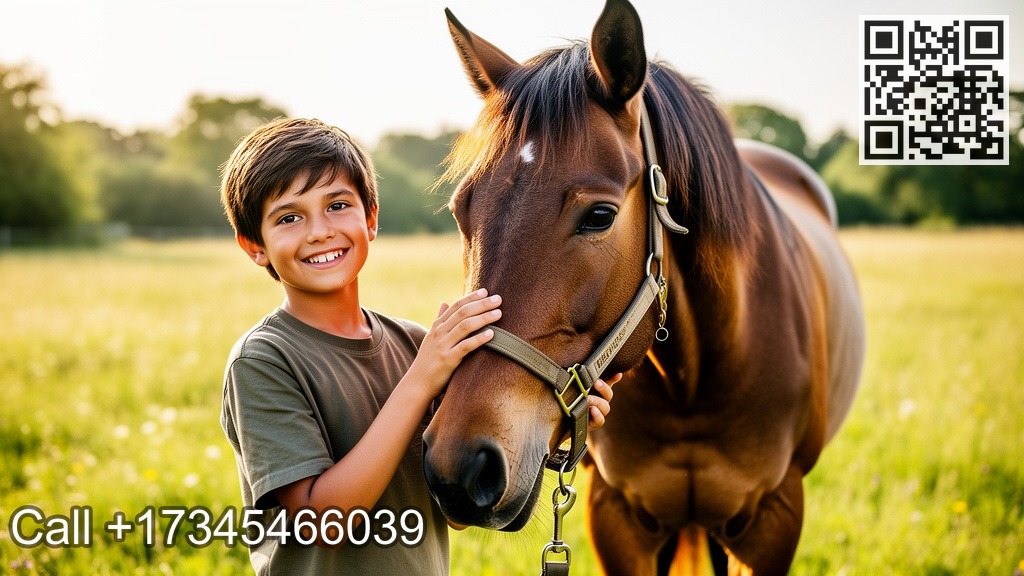
An autistic teenager that avoided eye contact found convenience with a little horse that additionally disliked direct stares. In our autism equine learning program, we made use of side-by-side deal with minimal verbal needs. He tracked the pony's breathing, matched his actions, and discovered to read ear flicks as discussion. His world widened from message to appearance. He started to reach out for the soft chuff of greeting at eviction. That is not every person's arc, however it occurs usually sufficient to plan for.
These stories are not promises. Some individuals need many sessions to make tiny gains. Some try the barn and determine that the structures, scents, or changability do not match them. Great programs make room for that choice, after that aid discover a better fit.
What begins on the ground, carries right into life
Anxiety flourishes on evasion. Horses make avoidance awkward in a way that welcomes humor and guts. If you try to lead without looking where you are going, you bump a cone. If you provide combined signals, your steed stalls or wanders. You can not finagle your means around quality. That need can feel terrifying at first. Then it becomes liberating. You practice stating, I am going to request a stop, and I am mosting likely to breathe while I await it. The muscle mass memory travels.
Equine-facilitated wellness programs lean right into this transfer. After an exercise, we debrief briefly. What did you discover in your body when the horse accelerated? What did you attempt? What functioned? Just how might that relate to your commute, or to walking into a hectic grocery store? The debrief is brief on theory and long on particular moments. You bear in mind that tiny release of the rope and the equine's sigh. You remember you can recreate that pattern with your own breath when the line at the pharmacy stretches long.
Conditions and factors to consider: who profits, that waits
Anxiety assistance with equines helps several, and specific accounts do particularly well. Individuals with social anxiety commonly locate equines to be compassionate practice companions. People with generalised anxiety appreciate predictable regimens. Those with panic might require shorter sessions with more breaks and a quieter barn schedule.
People with sensory level of sensitivities can thrive with the appropriate match. Alternative treatment for sensory obstacles seems broad, yet at the barn it comes to be really concrete. The arena's deep footing gives stable resistance. A grooming brush supplies graded touch you can regulate. Earplugs or noise-canceling muffs help if clanging entrances are excessive. If hay dust or dander is an issue, some barns have outdoor grooming bays that catch the breeze.
There are likewise traffic signals. Severe allergies to horses or hay can make participation unsafe. Particular anxieties might require preparatory deal with a therapist before getting in a barn. Unrestrained seizures, current blasts, or joint instability ask for medical clearance and adaptive plans. Severe trauma reactions might be caused by abrupt activity or smells, and need to be handled in collaboration with an accredited mental health carrier trained in injury. Quality programs take a group sight and never ever pressure contact.
On the ground or in the saddle
People usually ask whether placed job is required. It is not. Several gains linked to equine-assisted activities originate from groundwork. Placed sessions can include balanced vestibular input and a solid sense of alignment via the spinal column, which some people find deeply resolving. Others dislike the elevation or really feel overwhelmed by multi-tasking. I usually start on the ground for several sessions, after that welcome a short placed segment just if the person wonders and if it offers the goals. A common arc for an anxious adult might include four to 6 foundation sessions, a short installed test, then a go back to the ground for leadership and border work.
Equine-assisted mentoring for adults and teams
Outside the psychological wellness frame, equine-assisted coaching assists grownups observe just how they lead and team up under tension. A manager that micromanages usually tightens the lead rope without meaning to. The steed plants his feet. The repair is not to pull harder, it is to take a breath and welcome. Group structure with equines locations little teams in the arena with jobs that can not be completed solo, like guiding a horse via a puzzle without touching him. Stress and anxiety appears as babble, silence, or freezing. Steeds react to comprehensibility. A clear plan, shared pace, and respectful space normally get the good result.
For anxious specialists, the barn becomes a wedding rehearsal area for tough conversations. You practice making a clear ask, enduring the minute prior to the solution, and remaining linked if the very first shot does not function. The transfer to efficiency reviews or project conferences is straight. People bear in mind just how it really felt to soften their shoulders and deal area, not simply words they spoke.
Choosing a program that fits
Credentials and barn culture issue as long as the advertising language. Equine-assisted services is an umbrella term that consists of therapeutic horsemanship, equine-assisted tasks, and different types of equine-facilitated training. Search for specialists who can describe their training and range. Some programs are led by licensed therapeutic riding teachers. Others combine an equine expert with a qualified psychological health and wellness expert. Ask to observe a session, satisfy the steeds, and see where sessions take place.
Here is a brief list to speed your search.
- Clear range: Do they name whether they offer training, tasks, or treatment, and where they refer out?
- Safety methods: Safety helmets readily available, steed choice for new participants, emergency situation plans visible.
- Horse well-being: Turnover time, body condition, day of rest, and a training approach based on pressure and release, not force.
- Individualization: Will they adjust for sensory requirements, mobility, or language processing, and how?
- Debrief structure: Just how do they connect sector learning to daily life without over-coaching?
Expect to hear a variety of charges. Exclusive sessions usually run between 75 and 150 bucks per hour depending on region, facilities, and whether 2 specialists are present. Group prices can be lower. Some barns provide scholarships or gliding scales. Insurance coverage for coaching and non-therapy tasks is unusual, though particular programs that drop under psychological health and wellness solutions may coordinate with providers.
What a very first browse through usually looks like
Arriving uneasy is typical. Many anxiousness support sessions convenience in, not launch.
- Meet the team and stroll the area. A brief positioning, washroom location, where to leave bags, and what locations are peaceful if you require a break.
- Meet the equine at the fence. Observe from outside the paddock initially. Notification breathing, ears, and your very own stance.
- Learn the halter and lead. Technique knots and safe range. Test stress and release with an objective of lightness.
- Groom with a rhythm. Pick brush types by feeling, brush with the instructions of hair, and pair strokes with long exhales.
- Lead a short pattern. 2 or 3 cones and a pole, with clear beginnings and quits, after that a calm return to untack and claim thanks.
Afterward, a brief debrief assists capture what worked. The first session sets tone rather than chasing after huge results. That slower rate develops safety and security and trust.
Somatic anchors you can duplicate at home
The barn provides you anchors that travel. Individuals frequently take home a few micro-practices:
- The brush breath: imitate the long stroke of grooming by mapping your lower arm with your opposite hand while exhaling slowly.
- The cone pause: choose a kitchen ceramic tile as a pause factor. Walk, quit at the ceramic tile, breathe in for 4, breathe out for 6, after that continue.
- The lead rope check: hold a scarf with both hands. Soften your grip till the scarf drapes, after that ask your shoulders to match that softness.
None call for a steed. They recall a time when your body changed from supported to present.
Measuring development without transforming it into homework
Anxiety can transform also self-care right into an efficiency examination. I like basic markers. Better sleep the night after a session matters. A shorter time to settle after a startle counts. Fewer cancellations because the day felt also large, that counts. For some, a journal with three lines each day works: one body sensation, one feeling word, one minute of steed recall. For others, the presence record tells the tale. In several programs, people see meaningful adjustment over six to twelve sessions. Some remain longer for maintenance because the barn comes to be a location of steadying community.
Safety is not negotiable
Horses are charitable, and they are additionally big. An excellent anxiety-support session appreciates both facts. We match steed to human carefully. We avoid tight corners with brand-new sets. We choose times of day when the herd is settled. We instruct exactly how to review pinned ears, swishing tails, and moving weight. We make certain clothing is closed-toe and safe. We talk about where to stand and where not to. The objective is not to make any person fearless, it is to make individuals safer through knowledge and awareness.
There are trade-offs. A windy afternoon may raise energy in the herd, which can include difficulty. If a participant gets here dysregulated after a difficult day, we might choose stall-side grooming over sector work. Weather terminates happen. Versatility becomes part of the technique, and it mirrors the flexible abilities needed for anxiety administration elsewhere.
The function of the professional team
Equine specialists view the steed initially. Coaches or specialists see the human very first. When both sets of eyes collaborate, sessions circulation. If a person's anxiety web links to trauma background, an on-site or seeking advice from mental health and wellness specialist assists set rate and borders, and can support handling that falls outside mentoring extent. If a participant is dealing with an area specialist, we frequently work with on goals like grounding, border setting, or panic recovery strategies. The barn is not a silo, it is a partner.
What children show grownups, and the various other method around
Children tend to drop self-consciousness much faster. They copy the equine's breath, method ridiculous strolls, and laugh when a sloppy muzzle searches their pocket for carrots. That playfulness decreases anxiety without a lecture. Grownups bring language and representation, which catch insights prior to they slip away. Mixed-age household sessions can be powerful. A moms and dad discovers to provide a clear hint without over-talking, a child learns to wait on the equine to address, and both commemorate a tidy halt together.
Seasons of practice
Summer dirt scents like sunshine and alfalfa. Winter air is sharper, and the barn feels like a warm wooden church. Stress and anxiety ups and downs with seasons as well. Some individuals do best with a focused series of once a week sessions for three months, after that move to biweekly. Others weave the barn right into the academic year as a stabilizer. Consistency beats intensity. A solitary excellent day does not transform much. Several adequate days lay the track for steadier weeks.
When anxiousness trips alongside other differences
Many participants do not get here with neat tags. Stress and anxiety can ride with ADHD, autism, or discovering differences that make class hard. Equine programs that understand divergent handling often tend to do better. They utilize short instructions, visual signs, and hands-on demonstrations. They established achievable obstacles and commemorate micro-wins. The horse does not care if you stim, hum, or need to use a teemed hat. He cares about clarity, compassion, and security. That acceptance can be alleviation in a globe that typically asks people to diminish or mask.
The silent after
A preferred moment comes right after a session. The halter is off, the lead is curled, and the steed remains a minute longer. There is no reward to anticipate, simply shared air. Individuals frequently exhale then and claim, I did not believe I could really feel calm today. The barn did not erase their stressors. It gave them a place to exercise steadiness till their body remembered how.
Therapeutic horsemanship is merely that, a technique of ability and relationship. Experiential learning with horses transforms insight into activity. Equine-facilitated training links the dots to work and home. Assembled, they provide a grounded course for distressed minds, one step matched to one breath, till the nervous system discovers its rhythm again.
If this path contacts us to you, go to a neighborhood barn, enjoy just how the horses move, pay attention to how teachers talk, and observe exactly how your body really feels as you wait the fence. Tranquil minds expand from stable actions. Horses are charitable buddies on that particular road.
Happy Hooves Wellness
9177 Gross Rd, Dexter, MI 48130
+17345466039
https://www.hhooves.com/